
Sourcing option
Telephone speech data for ASR
Scope call recordings and reference transcripts for speech recognition training or evaluation.
Telephony · Dialogue · Speech models
Telephone conversations contain turn-taking, interruptions, accents, and channel conditions that a studio script may never reproduce. Tell us which characteristics matter to your model.
A direct line to Fiund. Source fit and permissions reviewed for your project.
Specify the outcome your model needs.
Keep file meaning and lineage connected.
Agree on evidence and acceptance criteria.
Speak with Jaeden at Fiund.
Original photography
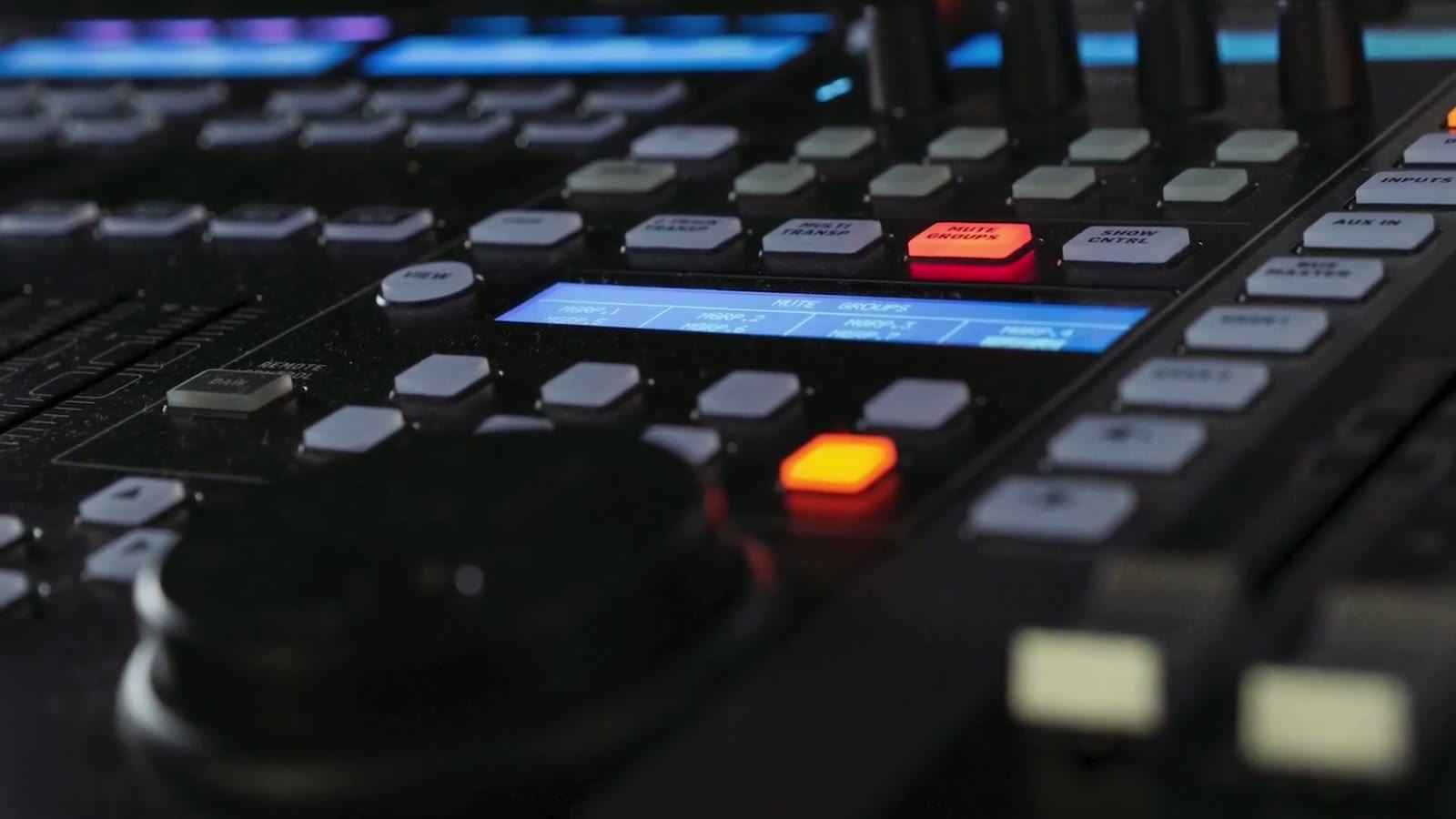
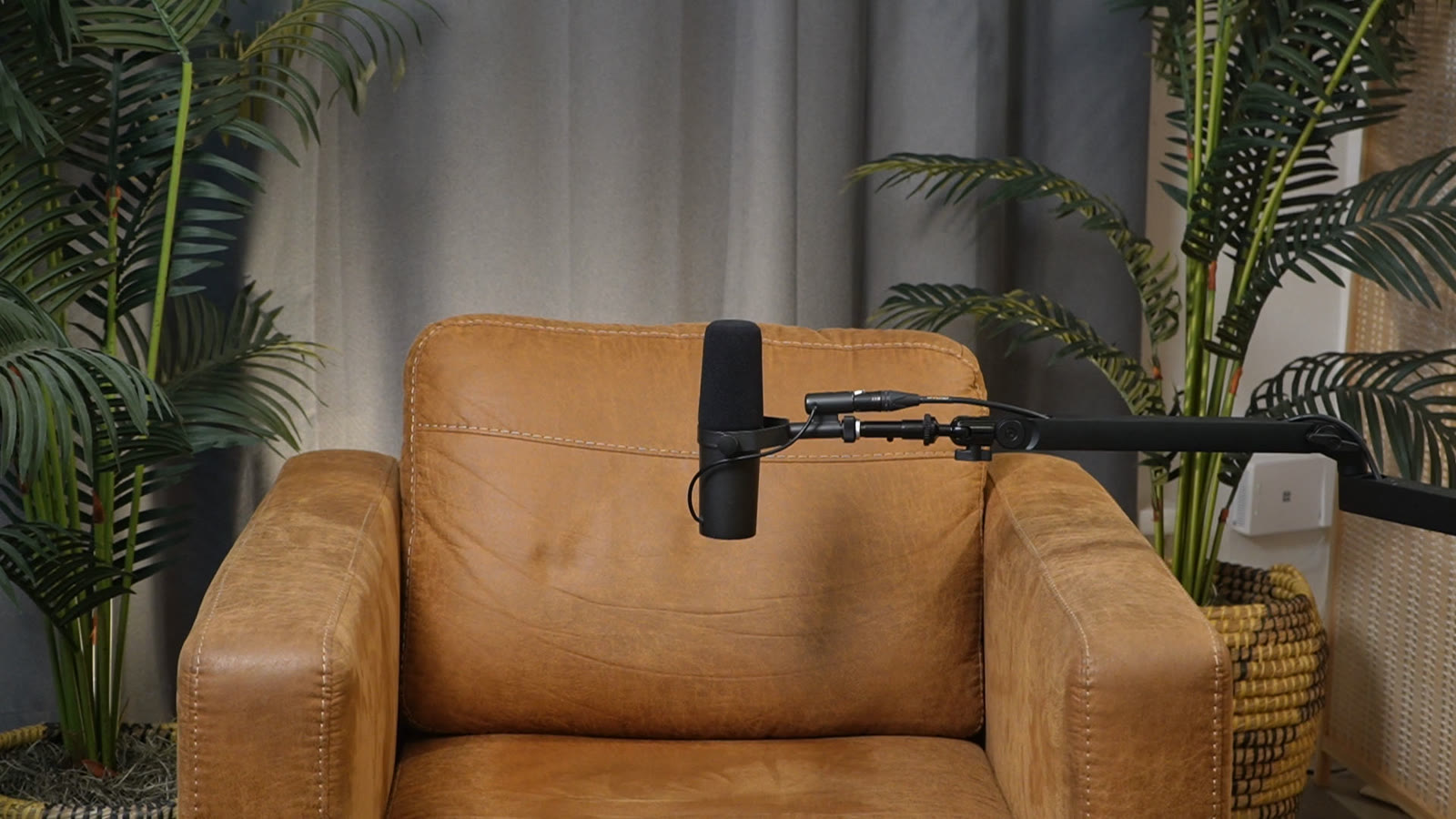
Microphones, rooms, people, and channel equipment from our own studio. These are studio photographs and recordings; customer-call sources and channel requirements are reviewed separately.
Real source photographs and video frames. Editorial examples; dataset availability and permitted uses are reviewed separately.View sources & full gallery →
Dataset solutions
Sourcing option
Scope call recordings and reference transcripts for speech recognition training or evaluation.
Sourcing option
Plan speaker-turn references, overlap cases, and channel requirements for who-spoke-when tasks.

Sourcing option
Specify call reasons, evidence-backed summaries, and task labels for conversation understanding.
Sourcing option
Plan language combinations, mixed-language speech, and reference review for call audio tasks.
Sourcing option
Design independent conversation tests with clear references, useful slices, and documented limitations.
Category context
Customer support, sales, and service interactions. Describe industry, call direction, conversational style, and whether authentic existing calls are essential.
Specify language, region, dialect, and code-switching requirements. Counts should be discussed by language and source rather than hidden in a single multilingual total.
Request the required transcript conventions, speaker attribution, timestamps, or diarization labels. Clarify what is delivered as original audio versus derived annotation.
Why the details matter
A useful call dataset brief distinguishes real customer-agent calls from staged conversations, single-channel mixtures from separate speaker tracks, and recordings from their transcripts. Call Datasets is a Fiund sourcing site for buyers who need those distinctions resolved before evaluating a collection.
Explore quality & provenance →Specification essentials
Technical scope
Real or staged; inbound or outbound; industry, date range, and interaction types.
Mono mixture, stereo separation, or independent tracks; source encoding and sample rate.
Verbatim or normalized text, timestamps, speaker labels, overlap, and non-speech conventions.
The specific proposed training uses, relevant source permissions, and de-identification requirements.
Real recordings
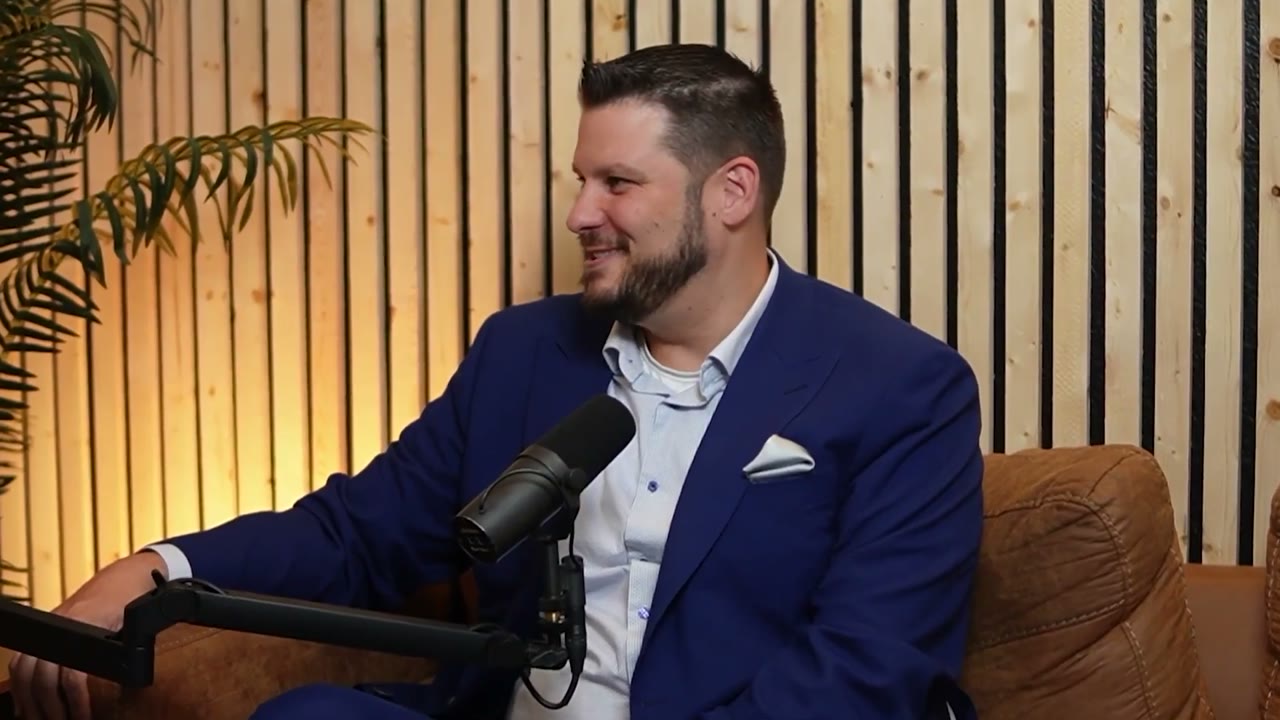
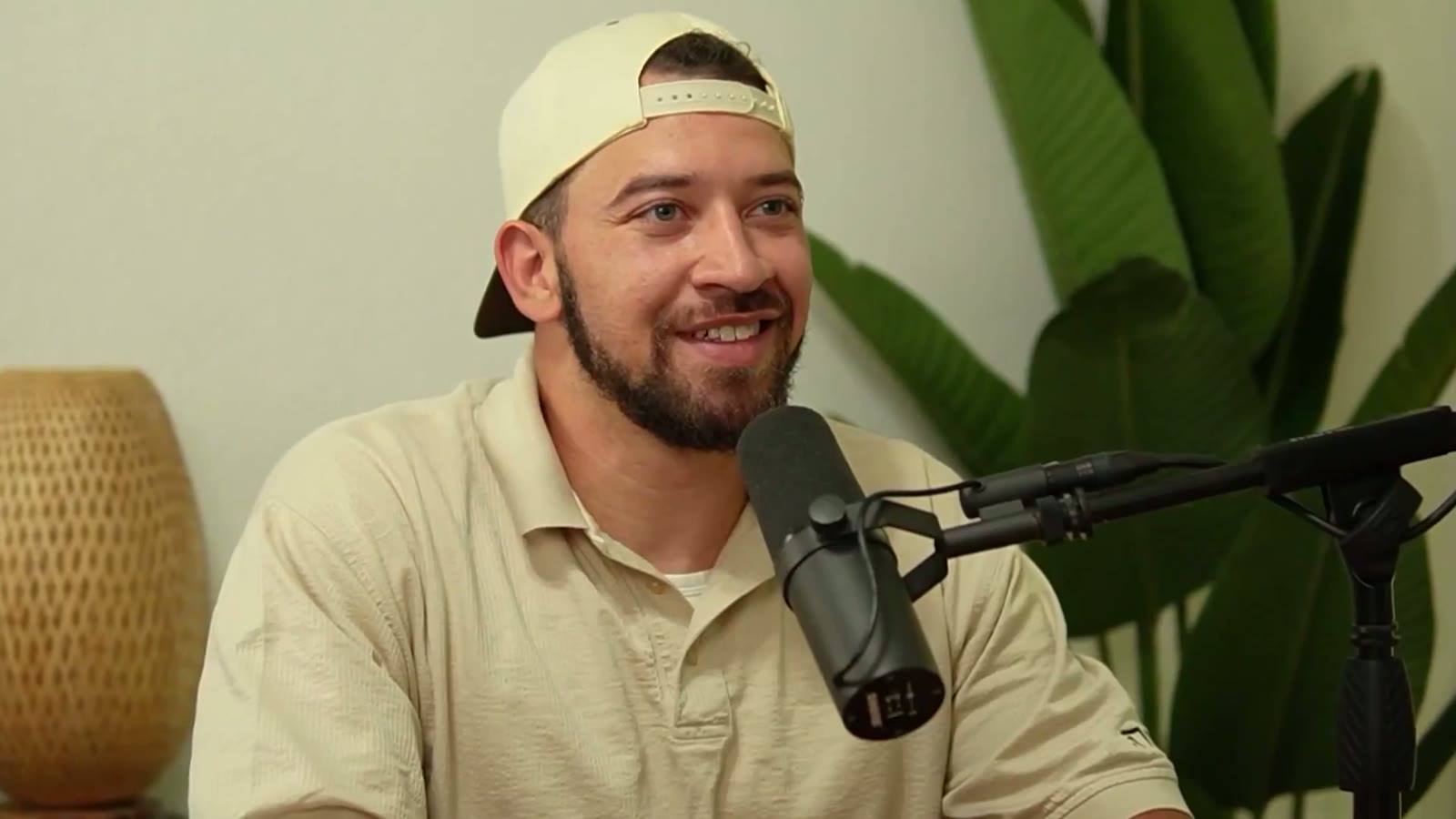
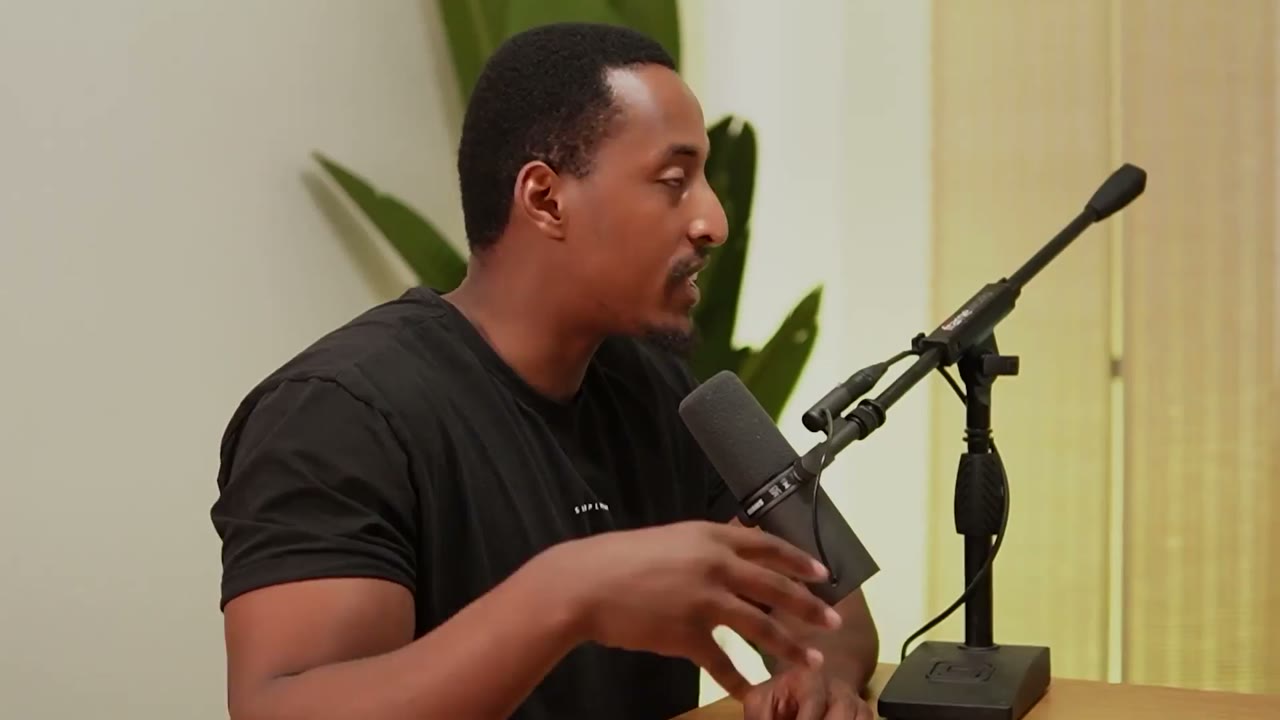
Real studio recording excerpts from our production archive. These are podcast and studio examples, rather than a claim that telephone-call recordings are available in this gallery.
Recorded conversations at Podcast Studio AZ · 14 seconds · silent editorial clip.
Jaeden’s original Riverside recording · 15 seconds · silent editorial clip.
Jaeden’s original Riverside recording · 15 seconds · silent editorial clip.
Recorded voice
Real solo podcast speech from Jaeden’s July 2, 2025 recording. Editorial audio example; not a telephone call or an advertised training-data sample.
Today on the podcast, I wanted to do a big update on xAI, some things happening over at X, as I think this is a pretty significant amount of money that has just been put into the ecosystem.
How sourcing works
A useful call dataset brief distinguishes real customer-agent calls from staged conversations, single-channel mixtures from separate speaker tracks, and recordings from their transcripts. Call Datasets is a Fiund sourcing site for buyers who need those distinctions resolved before evaluating a collection.
Languages, dialects, and regions; Call scenarios and real-versus-staged requirements; Hours, call lengths, and channel layout; Transcript and redaction specifications; Intended model use and licensing terms. These details establish the project’s review criteria and reveal where further clarification is needed.
Discuss which existing sources or collection approaches could address the brief. Identify access constraints, source documentation, and unanswered permission questions before treating a category as usable inventory.
Where appropriate material can be shared, agree on handling and inspect it against the specification. Record defects, coverage gaps, and annotation questions against exact source identifiers.
Confirm the selected material, intended uses, preparation work, acceptance criteria, commercial terms, and delivery arrangements in a project-specific agreement.
Check file references, manifests, documented processing, and accepted exceptions. Keep permission review and technical acceptance explicit, and resolve open issues before the collection is treated as approved for the intended use.
Field notes

Resource guide
Specify telephone conditions, reference transcripts, and useful scoring slices before comparing speech recognition systems.
Resource guide
Channel count alone does not tell you whether callers and agents are separated.
Resource guide
Define speaker turns, overlap, and role mapping separately from the words being spoken.

Resource guide
Make hesitation, numbers, uncertainty, and interrupted speech consistent across a call corpus.

Resource guide
Count languages, conversation types, and independent speakers rather than relying on a broad multilingual label.
Resource guide
Define mixed-language segments and annotation rules without forcing a whole conversation into one language.
Common questions
No. A two-channel file should be inspected to establish what each channel contains. If agent and customer separation is required, state it explicitly and request samples that demonstrate the channel layout.
Yes. Make authenticity a required property and identify acceptable scenarios. Source documentation, permissions, and privacy handling need project-specific review.
Yes. Start with language, approximate volume, scenario, and intended use. Jaeden can follow up on the missing details before discussing suitable sources or samples.
Your project, in focus
Speak directly with Jaeden Schafer at Fiund about the source material, specifications, and review your project needs.
jaeden@fiund.comSource fit, permissions, samples, pricing, and delivery are reviewed for the individual project.
Start with these details